
.png)
FDA Finalizes QMSR Rule, Aligning U.S. Medical Device Quality Requirements with ISO 13485 by February 2026
January 20, 2026
ISO 13485 & QMSR Updates
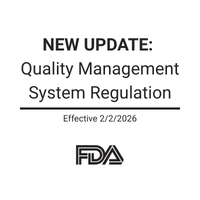
On February 2, 2026, the FDA's Quality Management System Regulation (QMSR) takes effect, requiring all U.S. medical device manufacturers to align their quality systems with ISO 13485:2016, the global standard for medical device quality management. This pivotal transition replaces the FDA's Quality System Regulation (QSR) and harmonizes U.S. requirements with international standards, fundamentally changing how quality and compliance are managed.
For MedTech OEM service leaders, this regulatory shift has critical implications: quality, documentation, and compliance requirements now extend beyond manufacturing into all post‑market service operations, including field service, depot repair, warehousing / logistics, and customer care.
What is ISO 13485?
ISO 13485 establishes the framework for how medical device organizations control quality across the entire product lifecycle, including post‑market service activities. The standard places strong emphasis on documented processes, risk‑based controls, traceability, and oversight of outsourced activities, ensuring that quality is built into daily operations.
Specifically, ISO 13485 governs areas such as:
- - Control of documented procedures and records
- - Risk management throughout service and repair activities
- - Oversight of suppliers and outsourced service providers
- - Corrective and preventive action (CAPA) processes
- - Complaint handling, feedback loops, and post‑market surveillance
- - Training, competency, and process consistency
What is Required and Controlled by ISO 13485?
For OEM service organizations, this means field service execution, depot repair workflows, logistics handling, and customer care interactions must all operate within a controlled, auditable quality system. Under QMSR, regulators will expect OEMs to demonstrate that these service activities are consistently documented, traceable, and aligned with ISO 13485 requirements, whether performed internally or by a service partner.
Why This Matters for OEM Service Leaders
Service operations are no longer just operational, they're regulatory. Field service, depot repair, warehousing / logistics, and customer care directly impact patient safety, device performance, and compliance. Under QMSR, regulators expect these activities to be controlled, traceable, and audit‑ready.
Under QMSR, outsourcing service does not outsource regulatory responsibility. OEMs remain accountable for ensuring that external partners operate in alignment with ISO 13485 requirements.
Preparing Now for the 2026 Deadline
With the February 2, 2026 QMSR deadline approaching, OEMs should be:
- - Conducting ISO 13485 gap analyses
- - Strengthening documentation and audit readiness
- - Evaluating service partners for ISO alignment
- - Ensuring service operations integrate seamlessly into the quality system
As a result, more OEMs are turning to ISO‑registered service partners that can support compliance without disrupting operations. Quest International operates under ISO 13485:2016, along with ISO 9001, ISO 14001, and ISO 27001, helping OEMs maintain documentation readiness and service continuity during regulatory transitions.
How Quest Supports Compliance and Operational Continuity
Field Service: Standardized procedures, trained technicians, and controlled service documentation aligned to OEM quality systems.
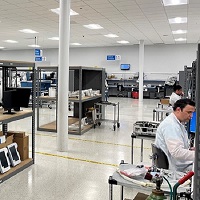
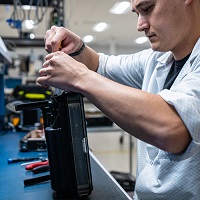
Depot Repair & Refurbishment: Traceable repair workflows, part control, and audit‑ready records through Quest’s Receive‑Refurbish‑Redeploy model.
Warehousing & Logistics: Controlled medical device storage, serialized inventory tracking, and secure global logistics to support traceability and chain of custody.
Customer Care: Structured complaint capture and escalation that feeds OEM quality and CAPA processes.
These capabilities enable OEMs to achieve audit readiness, strengthen compliance posture, and scale service operations confidently, without compromising quality or operational continuity.
Quest International’s established ISO compliance helps OEMs navigate this transition without slowing down service, compromising quality, or losing focus on patient outcomes.
For more information about the FDA’s Quality Management System Regulation (QMSR) or to schedule a complimentary consultation please contact us today.
MAR-362 REV 1.0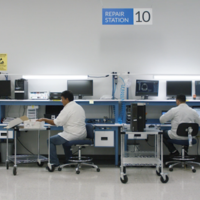














Services
Contact
Copyright © • Quest International. All rights reserved. Quest International Terms. QuestNet Terms.